The Master Guide to Crypto Trading for Beginners in 2026
Starting your journey in crypto trading for beginners in 2026 doesn’t have to be overwhelming. While the digital finance landscape moves fast, the core principles of making smart trades remain the same. Whether you are looking to build a long-term portfolio or just want to understand
“In 2021, when Bitcoin hit $60,000, millions of people jumped into crypto without a plan. Most lost money because they treated it like a lottery, not a market. If you’re reading this, you’re already ahead. This isn’t just another ‘what is crypto’ guide—it’s a roadmap to understanding the volatility of 2026 and building a strategy that actually survives the dips.”
What Is Cryptocurrency? – Easy Explanation for Beginners
“Think of cryptocurrency not just as ‘digital money,’ but as a global, 24/7 financial network that never sleeps. Unlike the stock market in New York or the gold market in London, crypto doesn’t wait for ‘opening bells.’ This means opportunity is always there, but so is the risk of missing a $10,000 move while you sleep.”
Modern digital assets like Bitcoin and Ethereum serve different purposes within the broader financial ecosystem. Some act as digital gold while others power complex applications or smart contracts. Understanding cryptocurrency is the first step in mastering beginner crypto trading because it helps you see the intrinsic value behind the coins you choose to buy.
Professional Crypto Zakat Calculator 2026
How Crypto Trading Works & Why It Matters in 2026
Learning how to start crypto trading involves speculating on the price movements of various coins to generate a profit. You can trade different trading pairs, such as swapping US dollars for Bitcoin or exchanging Ethereum for a smaller altcoin. In 2026, the liquidity in the market is higher than ever, making it easier to enter and exit positions quickly.
High market volatility means that prices can move up or down very fast within a single day. While this creates risk, it also provides the price action necessary for traders to grow their accounts. Professionals monitor trading volume to see how many people are buying or selling, which helps them predict future moves in the cryptocurrency market.
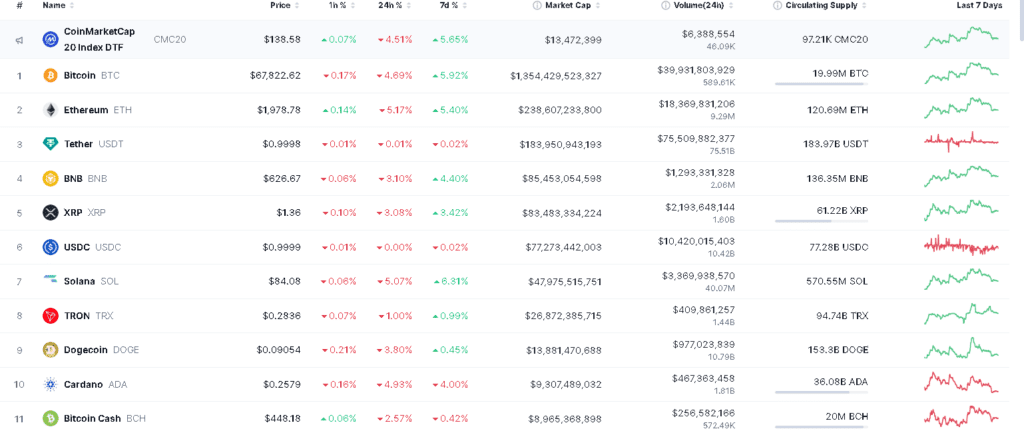
| Trading Term | Definition |
| Market Capitalization | The total dollar value of all coins in circulation. |
| Trading Volume | The total amount of an asset traded over 24 hours. |
| Liquidity | How easily an asset can be bought or sold without hitting the price. |
“Real-World Example: The 2024-2025 Market Shift”
“Take a look at Solana (SOL). Many traders ignored it during the ‘crypto winter,’ but those who looked at the developer activity—not just the price—saw the potential before the massive breakout. The lesson? Successful trading is about looking at the data behind the hype.”
Where to Buy: My Top Picks for Security & Low Fees” (Step-by-Step)
Finding the best crypto exchange platform is a critical decision that affects your security and your profits. You should look for a crypto exchange that offers low exchange fees and a wide variety of coins to trade. Popular choices like Coinbase, Binance, and Kraken provide robust tools for users living in the USA.
Your chosen trading platform must have a strong reputation for keeping user funds safe from hackers. Check if they offer a demo account trading feature so you can practice before using real money. Most top-tier platforms also provide integrated chart indicators and links to TradingView for advanced technical analysis.
How to Create and Verify Your Trading Account
The step-by-step process for opening an account begins with a simple email registration and a strong password. Afterward, you must complete account verification (KYC) by uploading a photo of your ID and a selfie. This ensures the crypto exchange follows legal rules and prevents fraudulent activity on their platform.
Once you finish the secure login setup, the platform will review your documents to confirm your identity. This process is usually fast, but it is a mandatory part of any crypto trading guide for legal compliance. Completing this step unlocks higher withdrawal limits and full access to all the features of the trading platforms.
Funding Your Crypto Trading Account
You need to connect a fiat deposit methods like a bank account or a debit card to move cash into the system. Most traders prefer ACH transfers because they usually have the lowest fees for moving US dollars. Once your funds arrive, you can immediately start purchasing your first digital assets to build your portfolio.
| Deposit Method | Speed | Typical Fee |
| Bank ACH | 1-3 Days | Low / Free |
| Wire Transfer | Same Day | Medium |
| Debit Card | Instant | High |
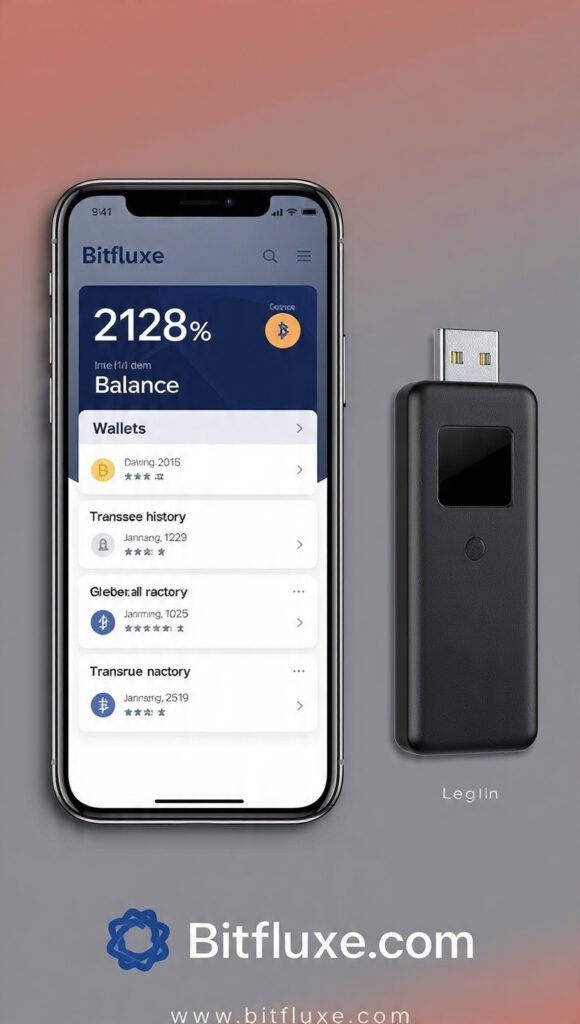
Understanding Crypto Wallets: Hot vs Cold Storage
A crypto trading guide isn’t complete without discussing how to store your coins safely after you buy them. Cold wallet storage refers to offline devices that keep your private keys away from the internet and hackers. This is widely considered the gold standard for asset protection and long-term holding of significant wealth.
In contrast, hot wallets are apps on your phone or computer that stay connected to the web. While they are convenient for daily trading basics, they are more vulnerable to phishing scams and malware. Always keep your seed phrase backup in a physical location that is safe from fire, water, or theft.
Basic Crypto Trading Terminology Beginners Should Know
You must understand different order types (market/limit) to control how you enter the market. A market order buys the asset immediately at the current price, while a limit order only executes at a price you set. Using a limit order helps you avoid paying too much during periods of high volatility.
Traders often look at CoinMarketCap to check the latest rankings and prices of various coins. You will also hear people talk about “Satoshi,” which is the smallest unit of a Bitcoin. Mastering these trading basics will help you communicate with other investors and understand professional financial reports more clearly.
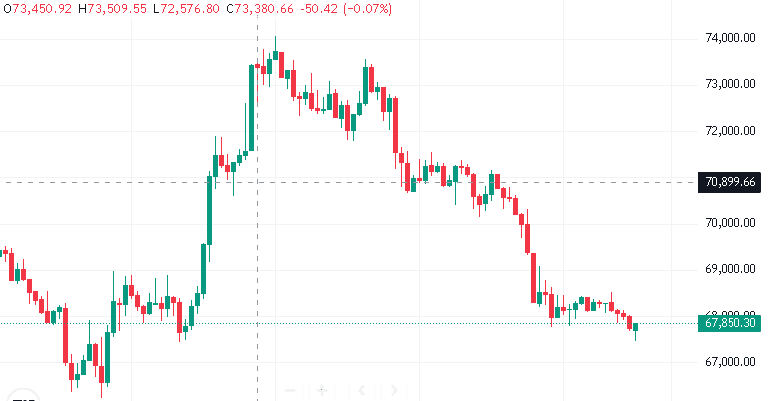
How to Read Price Charts and Market Data
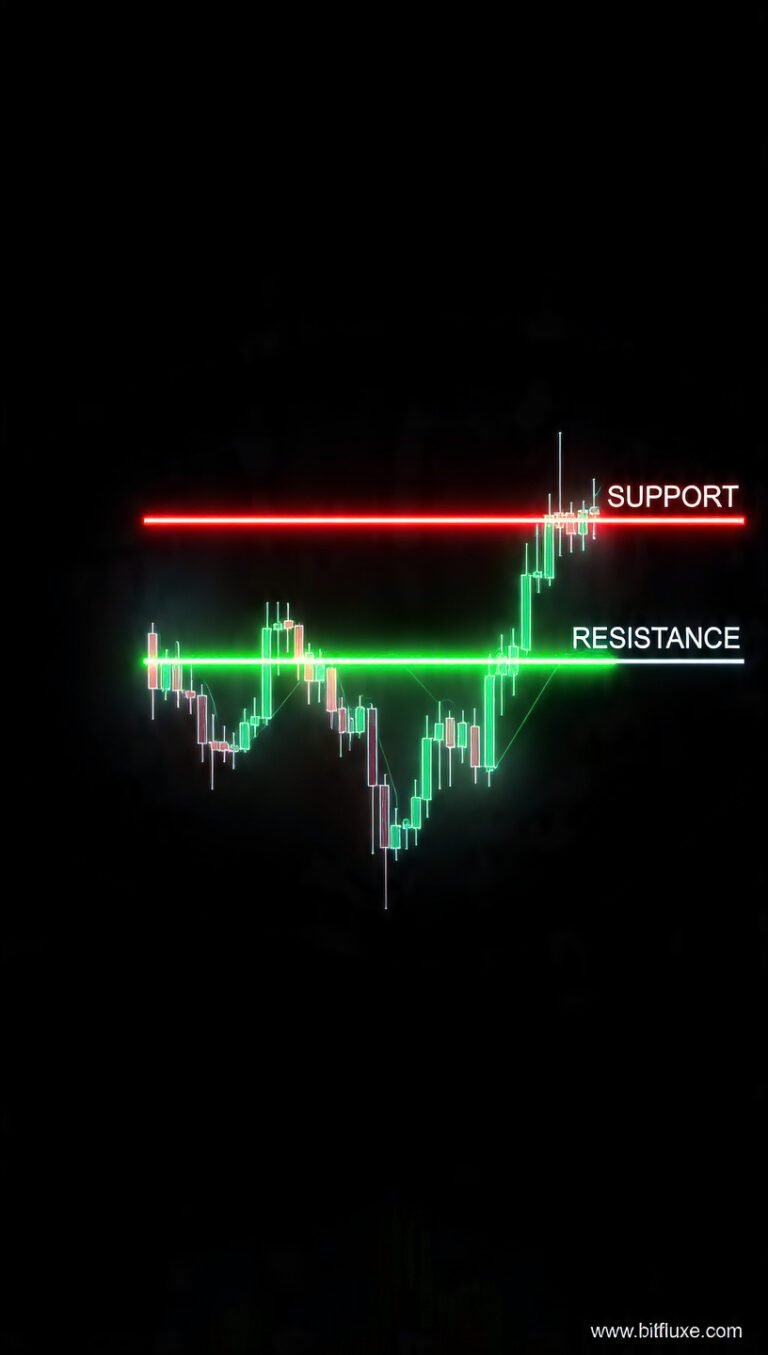
Learning to read price charts is essential for identifying the best times to buy and sell. Most traders use candlestick charts because they show the high, low, and closing prices for a specific timeframe. You can use tools like TradingView to draw lines that show where the price might find support or resistance.
By analyzing market data, you can see if a coin is being overbought or oversold by the general public. Look for patterns in the price action that repeat over days or weeks to gain an edge. Even a beginner-friendly guide emphasizes that technical analysis is a skill that improves significantly with daily practice and observation.
Beginner-Friendly Trading Strategies (2026)
One effective investment strategy is dollar-cost averaging, where you buy a set amount of crypto every week. This removes the stress of trying to time the market and lowers your average purchase price over time. It is a great way of starting with small capital while building a long-term position in the market.
Another approach involves portfolio allocation across different types of coins to spread out your risk. You might put 70% into stable coins like Bitcoin and 30% into newer decentralized finance (DeFi) projects. This balanced portfolio diversification ensures that one bad coin won’t ruin your entire financial future.
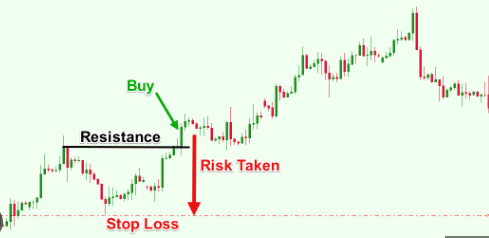
The Golden Rule: Never Trade What You Can’t Afford to Lose”
The most important rule in risk management is to never trade money that you need for bills or rent. Always use a stop-loss order to automatically close a losing trade before it gets out of control. This discipline protects your capital management and keeps you in the game for the long run.
“In trading, the person who manages their risk the best always wins in the end.” — Anonymous Trader
Setting realistic expectations is also a key part of staying emotionally stable while you trade. Don’t expect to get rich overnight, as the cryptocurrency market can be very unforgiving to greedy investors. Stick to your risk disclosure guidelines and protect your principal balance above all other goals.
Common Beginner Mistakes and How to Avoid Them
Many new traders lose money because they engage in emotional trading based on news headlines or social media hype. They often forget to account for exchange fees, which can quickly drain a small account if you trade too often. Avoid chasing “moon shots” and focus on proven learning resources to build your knowledge base.
Over-leveraging is another trap where beginners borrow money to make larger trades than they can afford. This increases market volatility impact on your account and can lead to a total loss of funds. Stay focused on your own investment strategy and ignore the “get rich quick” noise found on the internet.
How to Build Your First Trading Plan
A successful trading plan acts as a rulebook for every move you make in the market. It should define which trading pairs you will watch and exactly how much money you will risk per trade. Having a written plan prevents you from making impulsive decisions when the price action becomes fast and scary.
Review your plan every week to see what worked and what didn’t as you gain experience. Your plan should also include your long-term goals and your preferred fiat deposit methods for adding more funds. Consistency is the secret ingredient that turns a curious beginner into a profitable and confident crypto trader.
Security Tips: Protecting Your Assets Successfully
You must enable two-factor authentication (2FA) on every account to prevent unauthorized access. Never use SMS for this; instead, use an app like Google Authenticator for much better crypto security. Be extremely careful with your private keys, as anyone who sees them can steal all of your money instantly.
Always double-check website URLs to avoid phishing scams that look like real exchanges but are fake. Using a secure login on a dedicated computer can also help keep your digital assets safe from hackers. Protecting your wealth is just as important as growing it through active trading and smart investments.
How to Practice Without Losing Money (Demo / Small Trades)
Using Simulation to Build Confidence
The best way to start is by using a demo account trading feature to learn the interface. This allows you to place market orders and test chart indicators without risking any real US dollars. It is a vital part of any beginner-friendly guide because it builds the muscle memory needed for fast-moving markets.
Once you feel ready, transition to the real market by starting with small capital like $50 or $100. This small step helps you manage the psychological pressure of having real money on the line. Use these learning resources to track your progress and refine your skills before you commit larger amounts of your savings.
Risk Disclosure & Disclaimer
Trading digital assets involves significant risk and can result in the loss of your invested capital. The information in this crypto trading guide is for educational purposes only and does not constitute financial, investment, or legal advice. Market volatility in the cryptocurrency market is extremely high, and past performance is not indicative of future results. We strongly recommend that you consult with a qualified financial advisor and conduct your own thorough research before using any crypto exchange or committing funds to blockchain technology. Always prioritize risk management and never invest money you cannot afford to lose.
Read More https://bitfluxe.com/
https://bitfluxe.com/forex-trading-for-beginners-step-by-step-guide/https://bitfluxe.com/crypto-finally-regulated/
Note from the Author: I’ve spent years analyzing Bitcoin cycles and gold fluctuations. Crypto is high-risk, but with the right technical tools and a cool head, it’s the most exciting asset class of our time. Stay disciplined!”
FAQ
Is crypto trading still profitable for beginners in 2026?
Yes, with increased market liquidity and better trading tools, beginners can be profitable. However, success depends on solid risk management and avoiding emotional trading.
How much money do I need to start crypto trading?
You can start with as little as $10 to $50 on most major exchanges. It is always recommended to start small while you are still learning the basics.
Which is the best crypto exchange for beginners in the USA?
Coinbase, Binance.US, and Kraken are the top choices due to their user-friendly interfaces, strong security measures, and easy bank deposit methods.
What is the difference between a Market Order and a Limit Order?
A Market Order buys crypto instantly at the current price, while a Limit Order allows you to set a specific price at which you want to buy or sell.
Do I need a hardware wallet for small amounts of crypto?
For small amounts, a reputable exchange or a mobile “hot” wallet is usually enough. However, for long-term savings, a cold storage hardware wallet is the safest option.
How can I avoid crypto scams?
Always enable Two-Factor Authentication (2FA), never share your seed phrase, and double-check website URLs to ensure you aren’t on a phishing site.
Can I trade crypto 24/7?
Yes, unlike the stock market or Forex, the cryptocurrency market never closes. It is active 24 hours a day, 7 days a week, including holidays.
What are the most important trading indicators for beginners?
Moving Averages (MA), Relative Strength Index (RSI), and Volume are the best foundational indicators to help identify market trends.
What is “HODLing” in crypto?
HODL is a popular term that means holding onto your digital assets for a long period, regardless of market volatility, instead of selling them.

Hi, I’mBaber! I’m a blogger and crypto enthusiast dedicated to uncovering the best trading key levels in the financial markets. My mission is to break down advanced technical analysis tools into easy-to-follow guides for traders worldwide. When I’m not analyzing charts on TradingView, I’m busy researching the latest in blockchain security and SEO strategy to bring you the most accurate market updates.
View full details on our Terms and Conditions page.