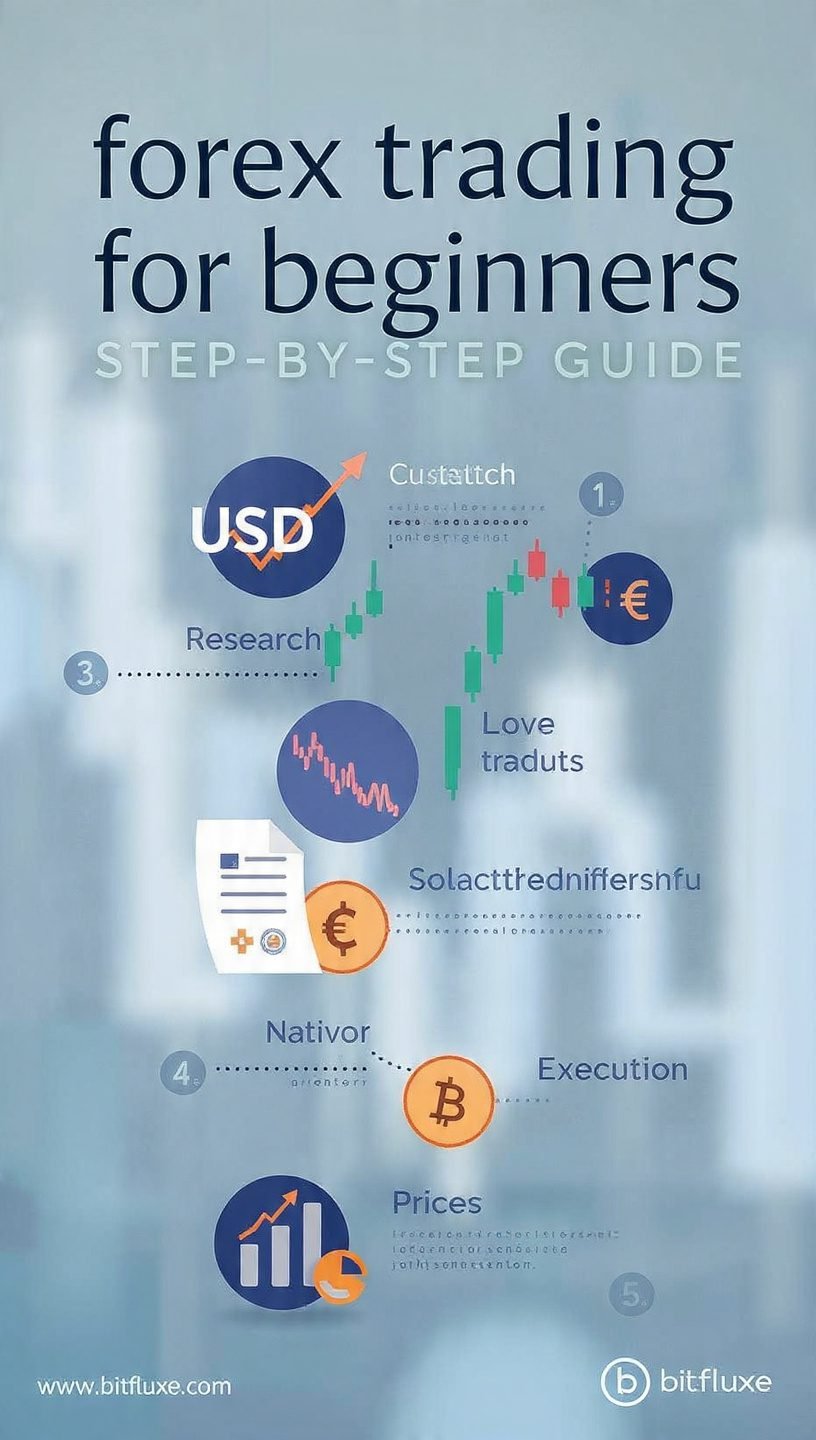
Forex Trading for Beginners: Step-by-Step Guide
Forex trading has become one of the most accessible ways for Americans to enter the global financial world. Every day, trillions of dollars move through the currency market, creating endless opportunities driven by exchange rate movement. If you’ve ever wondered how people profit from buying and selling currencies online, this guide will simplify everything. Success doesn’t depend on luck.
It depends on smart planning, strong risk management techniques, clear technical analysis basics, and disciplined trading psychology. By understanding how the market works and using a demo trading account before risking real money, you can approach Forex trading with confidence instead of confusion.
1. What Is Forex Trading and How Does It Work?
Forex trading means buying one currency while selling another. Currencies trade in pairs like EUR/USD or USD/JPY. When exchange rate movement changes, traders make profit or loss. The goal is simple. Predict direction correctly.
Read Crypto and Forex Charts: A Beginner’s Guide
The currency market runs without a central building. Banks, institutions, and retail traders connect digitally. Because of this structure, Forex trading works twenty four hours during weekdays. Understanding how prices move lays the foundation for all forex market analysis and long term success.
2. How the Forex Market Operates (Sessions, Liquidity & Volatility)
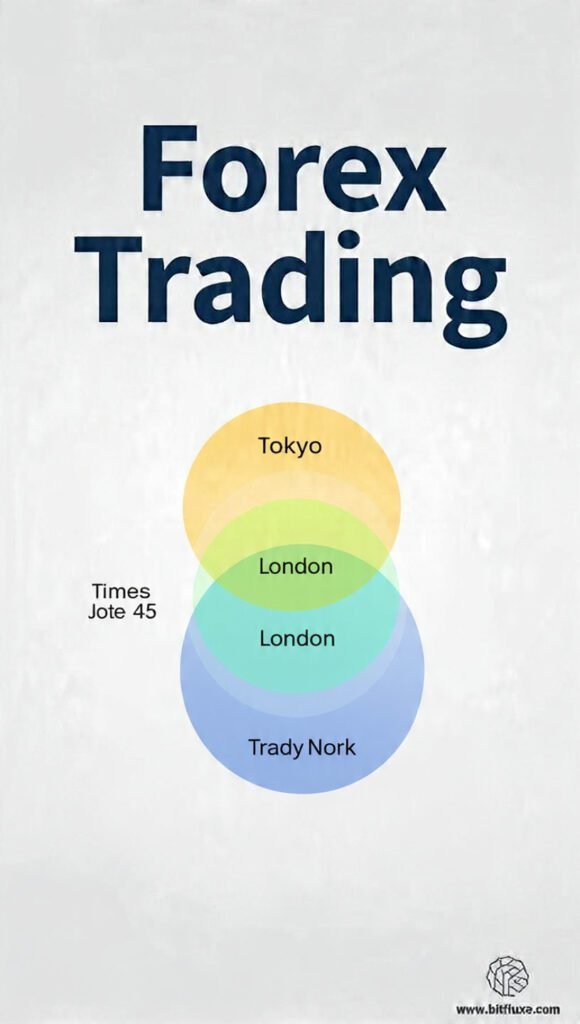
The market moves through global sessions. Sydney opens first. Tokyo follows. London brings heavy activity. New York closes the cycle. The overlap between London and New York creates the highest trading volume currency pairs activity.
Liquidity means how easily you can enter or exit trades. High liquidity reduces spread costs. Volatility measures how fast price moves. Smart traders use a forex economic calendar to track major news events. Timing matters in Forex trading.
Session Overview for U.S. Traders (Eastern Time)
| Session | Opens | Closes | Volatility Level |
|---|---|---|---|
| Tokyo | 7 PM | 4 AM | Medium |
| London | 3 AM | 12 PM | High |
| New York | 8 AM | 5 PM | High |
3. Major, Minor, and Exotic Currency Pairs Explained
Major pairs always include the U.S. dollar. Examples include EUR/USD and GBP/USD. These are the highest trading volume currency pairs because liquidity stays strong. Spreads stay lower.
Minors exclude the U.S. dollar. Exotics include emerging market currencies. These move sharply but carry higher risk. Understanding currency pairs explained properly helps you avoid unnecessary exposure in Forex trading.
4. Essential Forex Trading Terminology Every Beginner Must Know
A pip measures price change. A spread is the difference between buy and sell price. Lot size defines trade volume. These terms appear daily inside forex brokers and platforms dashboards.
You must also understand stop loss and take profit. These tools control risk. A stop loss closes losing trades automatically. A take profit locks gains. Knowing these basics strengthens your technical analysis basics foundation.
5. How to Choose a Reliable Forex Broker (Regulation & Safety Checklist)
In the USA, regulation matters. Brokers must register with the CFTC and NFA. This protects traders from fraud. Avoid offshore firms offering unrealistic leverage.
Check platform stability. Confirm withdrawal policies. Review customer support. Strong forex brokers and platforms provide transparency and clear fee structures. Safety always comes before profit in Forex trading.
6. Step-by-Step Guide to Opening Your First Forex Trading Account
Opening an account requires identity verification. You submit ID documents and proof of address. After approval, you fund the account through bank transfer or card.
Choose between standard or mini accounts. Beginners should start small. Practice discipline from day one. Forex trading rewards patience more than speed.
7. Understanding Leverage, Margin, and Lot Sizes
Leverage and margin explained simply means borrowed capital. In the USA, leverage is limited for safety. Margin is the amount required to hold a trade.
Here is a basic example.
| Account Balance | Leverage | Position Size Controlled |
|---|---|---|
| $1,000 | 1:50 | $50,000 |
High leverage increases both gains and losses. Use careful risk management techniques. Never risk more than a small percentage per trade in Forex trading.
8. How to Read Forex Charts (Candlesticks, Trends & Timeframes)
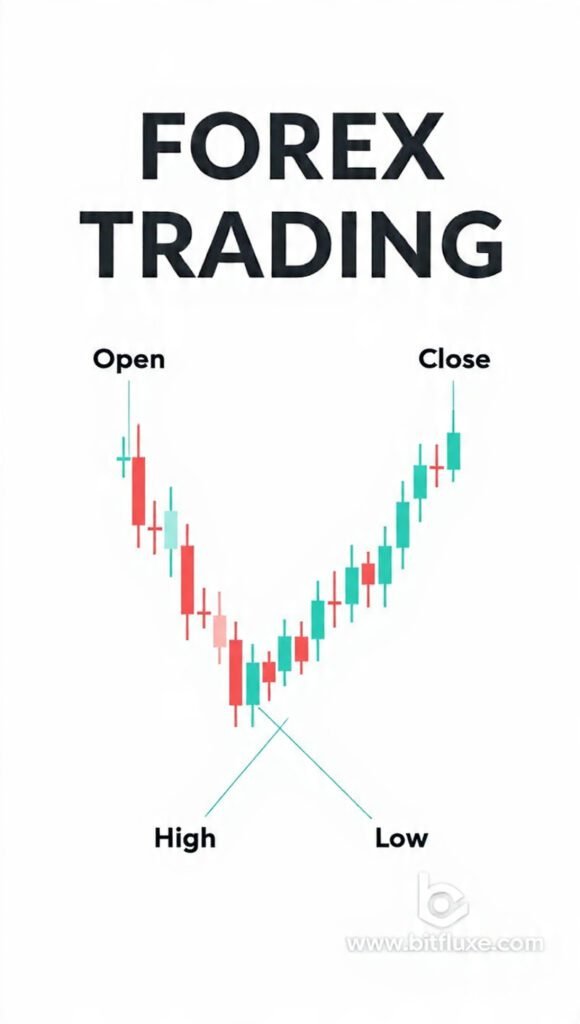
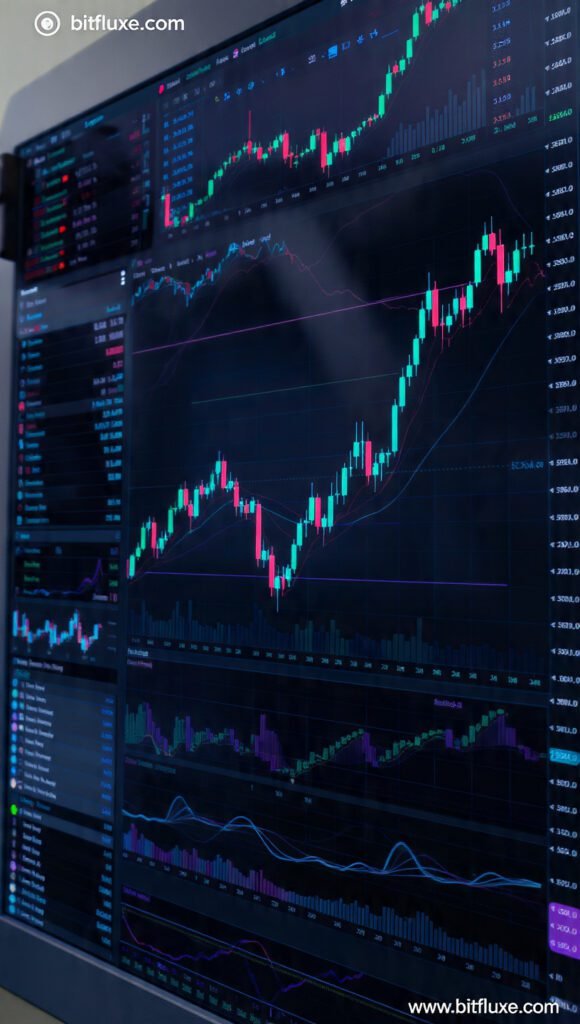
Candlesticks show open, close, high, and low prices. Green candles signal buying strength. Red candles show selling pressure. Patterns repeat because human behavior repeats.
Timeframes change perspective. Short term traders use five minute charts. Long term vs short term trading depends on goals and lifestyle. Mastering charts builds strong technical analysis basics skills.
9. Introduction to Technical Analysis for Beginners
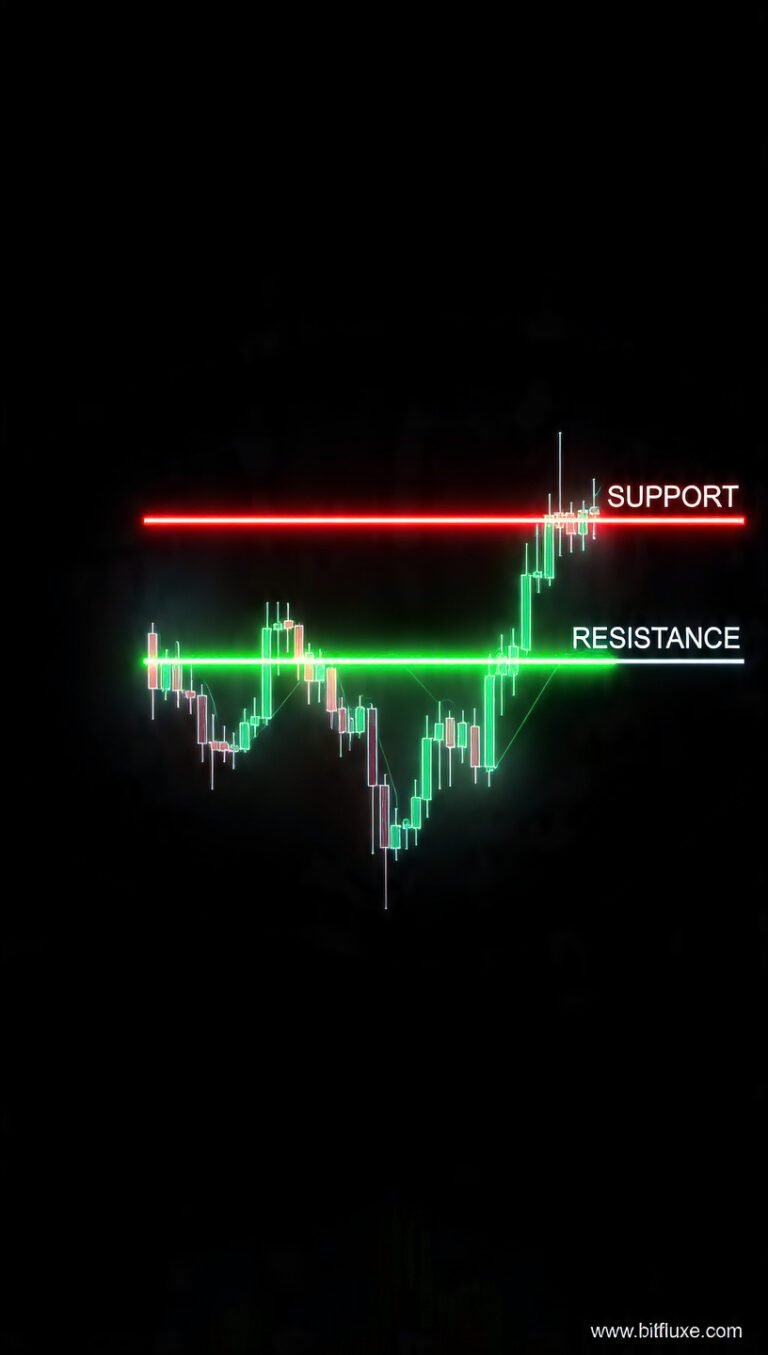
Technical analysis studies price patterns. Traders use moving averages, RSI, and support zones. These tools identify entries and exits.
Indicators alone are not magic. Combine them with structure. Strong forex trading strategies rely on discipline and confirmation. Charts tell stories. Learn to read them calmly.
10. Fundamental Analysis in Forex Trading (Economic News & Indicators)
Fundamental analysis studies economic forces. Interest rates, inflation, and employment data drive exchange rate movement. The Federal Reserve decisions often shake USD pairs.
A forex economic calendar tracks news releases. Traders prepare before announcements. Strong fundamental analysis helps explain why markets move, not just how.
11. Best Forex Trading Strategies for Beginners
Trend following works well for beginners. Breakout strategies capture volatility spikes. Range trading suits calm markets.
Each method fits different personalities. Backtesting builds confidence. Many traders also use automated forex trading systems for support. However, education matters more than shortcuts in Forex trading.
12. Risk Management Techniques to Protect Your Trading Capital
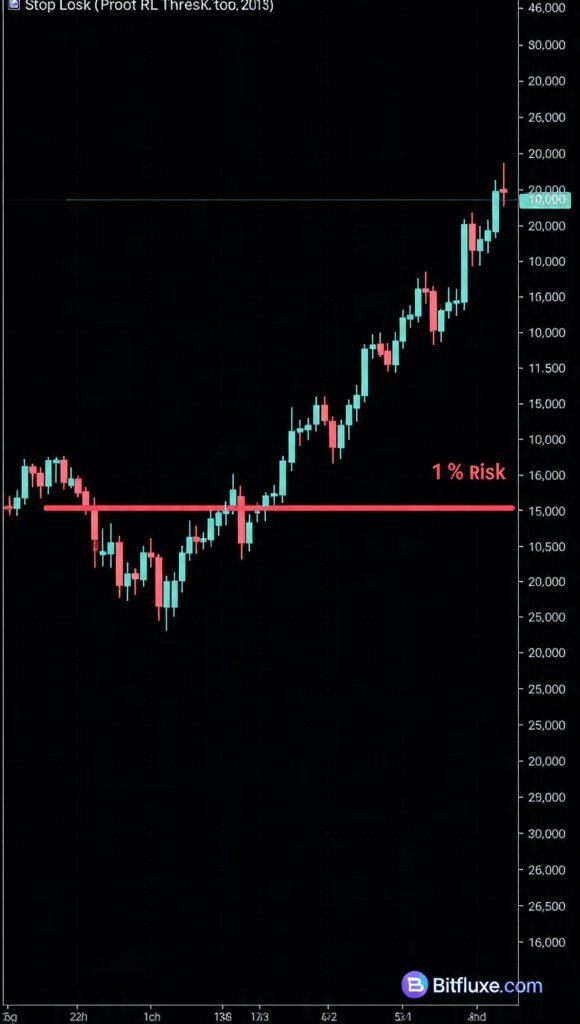
Risk management techniques protect survival. Limit risk per trade to one or two percent. Always apply stop loss and take profit.
Capital preservation beats emotional trading. Many accounts fail due to overleveraging. Strong control ensures longevity in Forex trading careers.
13. How to Create a Profitable Forex Trading Plan
A trading plan defines entry rules. It sets exit logic. It controls risk. Without structure, emotions dominate.
Include journaling. Review mistakes weekly. Track win rate and risk ratio. Clear planning strengthens trading psychology and supports consistent Forex trading growth.
14. Using a Demo Account Before Trading Live
A demo trading account allows practice without real money. It builds skill safely. Many beginners ignore this stage and regret it later.
Spend at least thirty days testing strategies. Simulate real conditions seriously. This phase improves confidence before entering live Forex trading markets.
15. Common Forex Trading Mistakes and How to Avoid Them
Overtrading drains accounts quickly. Ignoring risk limits creates large drawdowns. Blindly following forex signals and alerts without understanding logic leads to confusion.
Education reduces errors. Invest time in trading education and resources. Patience and preparation protect beginners from costly lessons in Forex trading.
16. Trading Psychology: Controlling Emotions and Staying Disciplined
Trading psychology shapes decisions. Fear forces early exits. Greed delays profit taking. Discipline keeps you stable.
Professional traders accept losses calmly. They focus on process, not excitement. Strong emotional control separates gamblers from consistent Forex trading professionals.
17. How Much Money Do You Need to Start Forex Trading?
Many U.S. brokers require low minimum deposits. You can start with $100 or $500. However, realistic growth takes time.
Small accounts grow slowly. Compounding works best with patience. Focus on learning first. Profit follows structure in Forex trading.
Case Study: A Beginner’s Smart Approach
John from Texas started with $1,000. He practiced on a demo trading account for one month. He applied strict risk management techniques. He limited risk to one percent per trade. After six months, he achieved steady growth without major drawdowns. His success came from discipline, not luck.
Final Thoughts on Forex Trading
Forex trading offers opportunity. It also carries risk. Success requires knowledge, planning, and emotional strength. Combine forex market analysis, proper forex trading strategies, and careful money management.
Stay educated. Stay patient. Master both technical analysis basics and fundamental analysis. With discipline and structure, Forex trading becomes a skill rather than a gamble.
Read More https://bitfluxe.com/support-resistance-strategy-beginners/ https://bitfluxe.com/
FAQ
Q1: Where can I find a reliable Forex trading for beginners PDF?
You can find educational PDFs on the websites of reputable, regulated brokers like IG, AvaTrade, or FOREX.com. Always avoid downloading files from suspicious, unknown forums to protect your device from malware. Stick to official broker educational portals for safe and accurate learning material.
Is it possible to trade Forex for beginners on a phone?
Yes, mobile trading is highly efficient today. You can download official apps like MetaTrader 4, MetaTrader 5, or a broker’s proprietary app. These apps offer full charting tools and real-time execution, allowing you to manage your trades, set stop-losses, and monitor markets directly from your smartphone anywhere.
What is the best way to learn Forex trading step by step?
Start by learning market basics, such as currency pairs and terminology. Next, open a free demo account to practice without risk. Study technical and fundamental analysis, develop a consistent trading plan with risk management rules, and finally, transition to a small live account once you are consistently profitable in simulation.
How do I start Forex trading for beginners step by step?
Begin by researching how the currency market works. Select a regulated broker, open a practice demo account, and learn to read price charts. Once you have a proven strategy and a clear trading plan that includes risk management, you can fund a small live account and start trading.
Are free Forex trading full course PDFs in English reliable?
Many free PDFs are informative, but they vary in quality. Always verify the source. Established financial institutions and recognized trading educators provide the most reliable guides. Be cautious of “get-rich-quick” PDFs that promise guaranteed profits, as these are often marketing gimmicks rather than sound financial education.
Where can I find free Forex trading videos for beginners?
Reputable brokers provide high-quality video tutorials on their websites and YouTube channels. Additionally, platforms like TradingView and established educational sites offer excellent visual guides on chart analysis and trading psychology. Ensure you are watching content from verified financial experts or licensed brokers.
What are the top 10 Forex trading books for beginners?
Highly recommended books include Technical Analysis of the Financial Markets by John J. Murphy, Currency Trading for Dummies by Brooks & Dolan, Market Wizards by Jack Schwager, and Day Trading and Swing Trading the Currency Market by Kathy Lien. These classics cover everything from basics to advanced psychology.
Why should I read a Forex trading PDF before going live?
Reading a foundational PDF helps you understand the “rules of the game,” including leverage, margin, and risk management. It prevents you from making costly rookie mistakes, such as over-leveraging your account or trading based on emotions, providing you with the theoretical knowledge needed for long-term trading success.

Hi, I’mBaber! I’m a blogger and crypto enthusiast dedicated to uncovering the best trading key levels in the financial markets. My mission is to break down advanced technical analysis tools into easy-to-follow guides for traders worldwide. When I’m not analyzing charts on TradingView, I’m busy researching the latest in blockchain security and SEO strategy to bring you the most accurate market updates.
View full details on our Terms and Conditions page.