
Crypto Finally Regulated: What the New ‘Virtual Assets Act 2026’ Means for Pakistan
The crypto landscape in Pakistan has entered a new chapter with the approval of the Virtual Assets Act 2026. For years, uncertainty around Pakistan crypto laws kept investors, startups, and exchanges in a grey area. Now the government has introduced a clear digital asset framework designed to regulate trading, support innovation, and protect users.
This move signals that Pakistan is ready to participate in the growing global market powered by blockchain technology. The law also establishes the Pakistan Virtual Assets Regulatory Authority (PVARA) to supervise exchanges and enforce strong cryptocurrency regulation. As a result, businesses, developers, and investors worldwide are watching closely to see how this new system will shape Pakistan’s digital financial future.
Crypto in Pakistan: Parliament Approves Virtual Assets Act
The decision behind Crypto in Pakistan: Parliament Approves Virtual Assets Act marks a dramatic transformation in the country’s financial strategy. The National Assembly of Pakistan passed the Virtual Assets Act 2026 to create a clear legal environment for crypto trading, blockchain innovation, and regulated digital finance services. For years, uncertainty around Pakistan crypto laws limited growth. Now, the government aims to build a regulated market supported by a modern digital asset framework.
Another important aspect of the new law focuses on strengthening investor confidence and international cooperation. Authorities introduced strict Anti-Money Laundering (AML) policies and improved AML and CFT compliance standards for all Virtual Asset Service Providers (VASPs). The new law also highlights Investor protection, modern Cybersecurity protocols, and improved oversight through Market surveillance, ensuring crypto businesses operate transparently within Pakistan’s financial system.
Professional Crypto Zakat Calculator 2026
What the New Crypto Law Means for Pakistan and the Global Market
The introduction of the Virtual Assets Act 2026 changes how global investors view Pakistan’s digital sector. The government now allows licensed crypto businesses to operate under strict Crypto exchange licensing rules. This step signals that Pakistan wants to become part of the international Fintech ecosystem and benefit from global digital finance innovation.
For international observers, the reform also suggests that emerging markets may play a larger role in shaping the future of the digital economy. Pakistan’s approach combines regulation with innovation. Officials believe this will attract Foreign investment and allow blockchain-based startups to build services such as Cross-border payments and decentralized financial applications that improve economic participation.
Financial Tools for Traders and Investors in 2026 https://bitfluxe.com/global-islamic-zakat-calculator-shariah-compliant/
Is Pakistan the First Country to Legalize Crypto?
Despite the excitement around Crypto in Pakistan: Parliament Approves Virtual Assets Act, Pakistan is not the first country to legalize or regulate digital assets. Several nations already introduced comprehensive crypto frameworks before Pakistan’s legislation. However, Pakistan’s decision still represents an important milestone for South Asia because few countries in the region have adopted such a clear regulatory model.
The government designed the new framework to support innovation while reducing risks. By focusing on AML and CFT compliance and strict supervision of Virtual Asset Service Providers (VASPs), Pakistan hopes to build a trustworthy environment. The aim is not just to legalize crypto trading but to integrate digital finance with the country’s long-term digital economy strategy.
Countries That Have Already Regulated Crypto
Different countries have taken unique approaches to regulating digital assets. The table below shows how Pakistan compares with other major jurisdictions that implemented cryptocurrency frameworks before the Virtual Assets Act 2026.
| Country | Key Crypto Regulation | Main Focus |
|---|---|---|
| United States | Multiple regulatory agencies oversee crypto markets | Investor security and taxation |
| European Union | MiCA regulation framework | Unified crypto market rules |
| United Arab Emirates | Dedicated crypto regulatory zones | Global crypto business hub |
| Pakistan | Virtual Assets Act 2026 | Regulated market and innovation |
Although Pakistan is not the first nation to regulate crypto, its new law strengthens global recognition of the country’s growing Fintech ecosystem.
Pakistan’s Global Ranking in Crypto Adoption
Even before Crypto in Pakistan: Parliament Approves Virtual Assets Act, the country already ranked among the fastest growing crypto markets. Millions of users adopted digital assets to store value, trade globally, and bypass limitations of traditional banking systems. Crypto gained popularity partly because citizens searched for alternatives during periods of currency instability..
Experts believe digital assets may act as an Inflation hedge for individuals facing economic pressure. With the new Pakistan crypto laws, analysts expect more users to join the regulated ecosystem. This could expand Digital financial inclusion, allowing individuals without access to traditional banks to participate in digital markets using mobile devices and blockchain platforms.
Pakistan’s Position in Global Crypto Usage
The following table highlights the factors that pushed Pakistan into the global crypto spotlight.
| Factor | Impact on Adoption |
|---|---|
| Freelance economy | Workers receive global payments using Cross-border payments |
| Youth population | Tech-savvy users explore Blockchain technology |
| Currency volatility | People seek an Inflation hedge |
| Mobile internet access | Supports Digital financial inclusion |
These factors helped shape the momentum behind Crypto in Pakistan: Parliament Approves Virtual Assets Act, turning the country into a rapidly expanding digital market.
Economic and Regulatory Impacts on Pakistan
The approval of the Virtual Assets Act 2026 creates both opportunities and responsibilities for Pakistan’s economy. Regulators want to ensure that crypto innovation contributes to long-term financial stability. Therefore, businesses must maintain proper Capital adequacy, follow strict AML and CFT compliance, and implement strong Cybersecurity protocols to prevent fraud and hacking incidents.
At the same time, government officials believe that regulated crypto services can boost economic activity. The rise of licensed exchanges and blockchain companies could expand the national Fintech ecosystem, stimulate entrepreneurship, and attract international capital. These developments may help Pakistan integrate more deeply into the global digital economy.
How Legalizing Crypto Could Transform Pakistan’s Economy
Legalization of crypto could reshape several sectors of the Pakistani economy. Blockchain startups may offer efficient solutions for remittances and Cross-border payments, reducing transaction costs for overseas workers sending money home.
The government also expects increased Foreign investment from international fintech firms that want to enter the regulated Pakistani market. If implemented carefully, the law could position Pakistan as a regional technology hub where Blockchain technology supports financial services, logistics systems, and secure digital identity platforms.
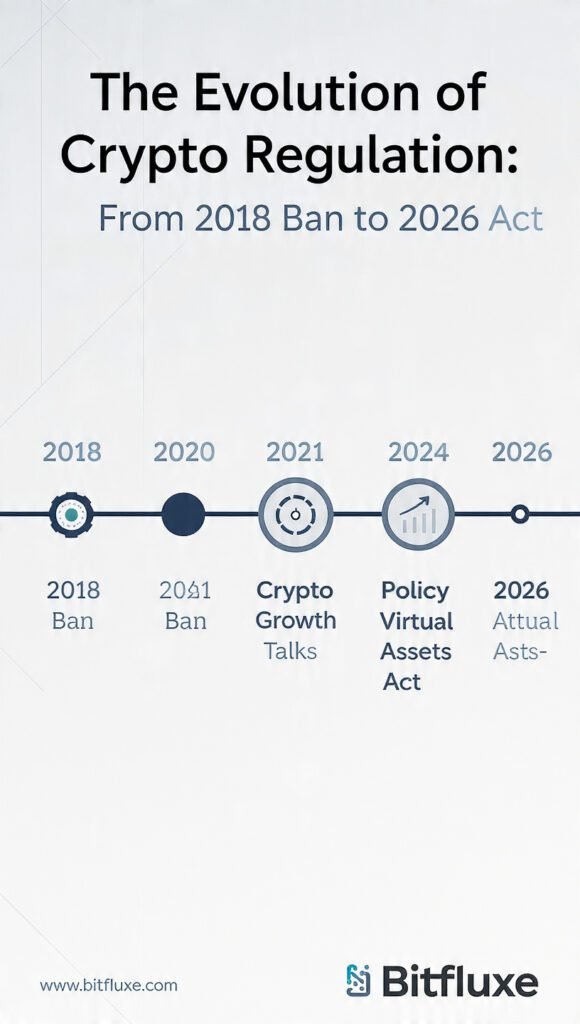
The Evolution of Crypto Regulation: From 2018 Ban to 2026 Act
Pakistan’s crypto journey has been complex. In 2018, authorities imposed restrictions on digital asset trading due to concerns about financial crime and unregulated markets. At that time, policymakers worried that crypto could undermine the national banking system or facilitate illegal transactions.
However, public interest in digital assets continued to grow. Over the years, regulators studied global practices and gradually shifted their stance. The approval of the Virtual Assets Act 2026 by the National Assembly of Pakistan finally replaced uncertainty with clear Pakistan crypto laws and a regulated digital asset framework.
Key Events That Shaped Pakistan’s Crypto Policy
| Year | Major Development |
|---|---|
| 2018 | Initial crypto restrictions |
| 2021 | Rising crypto adoption among citizens |
| 2024 | Government committees study crypto regulation |
| 2026 | Virtual Assets Act 2026 approved |
This gradual policy evolution explains why Crypto in Pakistan: Parliament Approves Virtual Assets Act represents a turning point rather than a sudden decision.
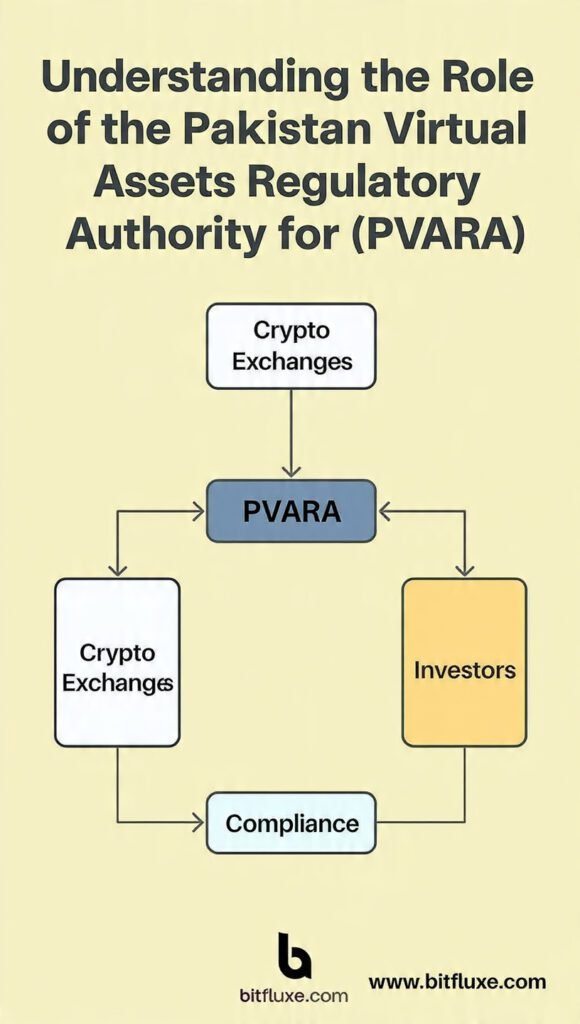
Understanding the Role of the Pakistan Virtual Assets Regulatory Authority (PVARA)
A central element of the new law is the creation of the Pakistan Virtual Assets Regulatory Authority (PVARA). This institution will supervise the digital asset sector and ensure compliance with financial laws. It will also regulate companies classified as Virtual Asset Service Providers (VASPs) such as exchanges, wallets, and crypto payment platforms.
Through advanced Market surveillance systems, the authority will track suspicious transactions and enforce strong Anti-Money Laundering (AML) policies. The aim is to prevent illegal activity while still encouraging responsible innovation within Pakistan’s expanding Fintech ecosystem.
What Is PVARA and Why It Matters
The Pakistan Virtual Assets Regulatory Authority (PVARA) acts as the main regulator responsible for monitoring digital asset markets. It will issue permits through strict Crypto exchange licensing processes and verify that businesses maintain proper Capital adequacy levels.
By combining regulation with technological oversight, the authority hopes to create a secure environment for investors. This approach strengthens Investor protection and builds confidence among global institutions interested in Pakistan’s digital finance sector.
Key Provisions of the Virtual Assets Act 2026
The Virtual Assets Act 2026 outlines several rules designed to ensure responsible growth of the crypto sector. These provisions include mandatory registration for Virtual Asset Service Providers (VASPs), detailed compliance procedures, and strict financial transparency standards.
The legislation also encourages the development of secure blockchain services while protecting the public. Companies must implement advanced Cybersecurity protocols and maintain ongoing AML and CFT compliance to prevent financial crime within the emerging digital market.
Major Rules Introduced by the Crypto Law
| Regulation Area | Requirement |
|---|---|
| Exchange operations | Strict Crypto exchange licensing |
| Compliance | Mandatory AML and CFT compliance |
| Investor security | Enhanced Investor protection policies |
| Monitoring | Real-time Market surveillance |
These rules show how Crypto in Pakistan: Parliament Approves Virtual Assets Act attempts to balance innovation with regulatory discipline.
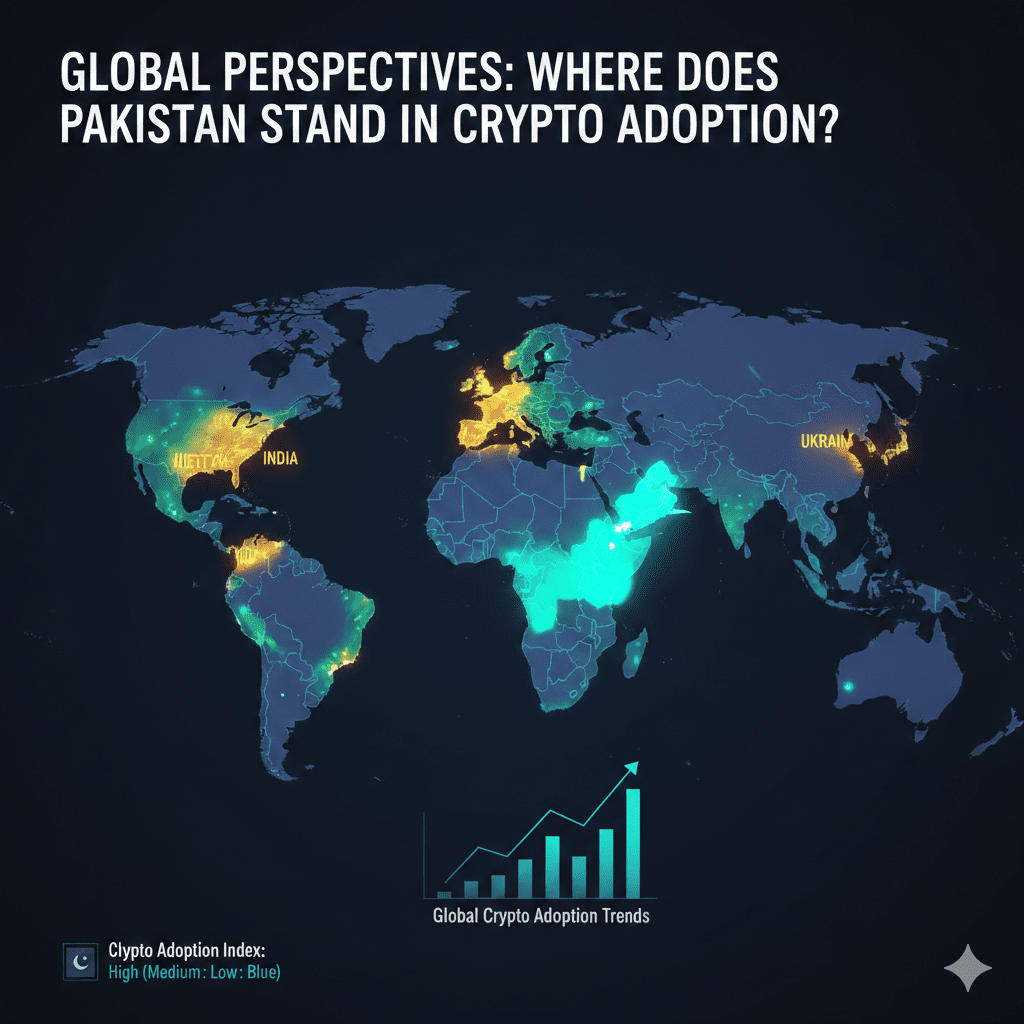
Global Perspectives: Where Does Pakistan Stand in Crypto Adoption?
The international crypto community closely watches emerging markets that embrace digital finance reforms. Pakistan’s large population and strong technology workforce give it the potential to become a regional blockchain hub.
By introducing the Virtual Assets Act 2026, Pakistan signals that it wants to compete globally in the digital finance sector. When combined with Blockchain technology, supportive Pakistan crypto laws, and growing public adoption, the country may strengthen its position in the global digital economy.
Comparing Pakistan With Other Crypto Markets
| Region | Crypto Strength |
|---|---|
| United States | Institutional investment and innovation |
| Europe | Unified regulatory frameworks |
| UAE | Global crypto trading hub |
| Pakistan | Rapid adoption and Digital financial inclusion |
This comparison shows why the news that Crypto in Pakistan: Parliament Approves Virtual Assets Act attracted global interest.
The Economic Implications: Opportunities and Challenges for Pakistan
The economic potential of regulated crypto markets is significant. By encouraging responsible innovation, Pakistan hopes to create new technology industries and expand financial access. The development of blockchain startups could strengthen the national Fintech ecosystem and support the country’s expanding digital economy.
Nevertheless, challenges remain. Authorities must ensure strict Market surveillance, maintain high Capital adequacy standards for exchanges, and enforce strong Cybersecurity protocols. These safeguards help reduce risks while ensuring sustainable growth in the digital asset sector.
Potential Benefits and Risks
| Opportunity | Challenge |
|---|---|
| Increased Foreign investment | Market volatility |
| Improved Digital financial inclusion | Regulatory enforcement |
| Growth of blockchain startups | Security threats |
Balancing innovation with regulation will determine whether the Virtual Assets Act 2026 achieves its long-term goals.
Compliance and Penalties: What the New Law Means for Investors
Under the new regulatory structure, all crypto investors must follow strict compliance standards. Exchanges and digital asset platforms must verify user identities and report suspicious activity to regulators. These rules strengthen Anti-Money Laundering (AML) efforts and improve transparency across the crypto ecosystem.
Authorities also plan to introduce penalties for organizations that ignore the law. Businesses failing to meet AML and CFT compliance requirements or violating Crypto exchange licensing rules may face fines, license suspension, or legal action under Pakistan’s updated Pakistan crypto laws.

Rules Crypto Users Must Follow
| Requirement | Purpose |
|---|---|
| Identity verification | Prevent illegal activity |
| Reporting suspicious transactions | Strengthen Anti-Money Laundering (AML) |
| Compliance audits | Ensure Investor protection |
These measures highlight the government’s commitment to building a responsible digital asset environment.
The Path Forward: Integrating Blockchain into Pakistan’s Financial Future
The approval of the Virtual Assets Act 2026 represents only the beginning of Pakistan’s digital transformation. Policymakers believe that Blockchain technology can modernize financial systems, improve government transparency, and create new digital services.
In the coming years, the country may explore blockchain applications in banking, public records, and Cross-border payments. If implemented effectively, the framework could also support Shariah-compliant digital finance, opening new possibilities for ethical financial innovation.
Future Developments in Pakistan’s Crypto Ecosystem
Pakistan’s digital strategy now focuses on integrating blockchain innovation with economic development. Regulators expect licensed companies to contribute to the national Fintech ecosystem while strengthening Digital financial inclusion.
As global markets evolve, the announcement that Crypto in Pakistan: Parliament Approves Virtual Assets Act may become one of the most important milestones in the country’s financial history, shaping the next chapter of its growing digital economy.
Read More https://bitfluxe.com/
https://bitfluxe.com/forex-trading-for-beginners-step-by-step-guide/ https://bitfluxe.com/support-resistance-strategy-beginners/ https://bitfluxe.com/forex-trading-for-beginners-step-by-step-guide/
FAQ
Is cryptocurrency legal in Pakistan?
Yes, cryptocurrency is now legal under the Virtual Assets Act 2026. The law allows regulated trading, licenses Virtual Asset Service Providers (VASPs), and enforces AML and CFT compliance. Investors can legally buy, sell, and store digital assets while enjoying stronger Investor protection.
What is the Pakistan Virtual Assets Regulatory Authority (PVARA)?
The Pakistan Virtual Assets Regulatory Authority (PVARA) oversees crypto operations in the country. It manages Crypto exchange licensing, monitors Market surveillance, and ensures compliance with Pakistan crypto laws. Its goal is to protect investors, prevent fraud, and promote Digital financial inclusion.
How can I trade crypto in Pakistan safely?
To trade safely, use licensed platforms following the Virtual Assets Act 2026. Verify AML and CFT compliance, enable Cybersecurity protocols, and keep private keys secure. Investing through regulated Virtual Asset Service Providers (VASPs) reduces risks and ensures Investor protection under Pakistan’s evolving crypto framework.
What are the benefits of Pakistan regulating crypto?
Regulation encourages Blockchain technology innovation, attracts Foreign investment, and supports Digital financial inclusion. Licensed exchanges provide Investor protection, improve Market surveillance, and integrate Pakistan into the global Fintech ecosystem, helping the economy grow while maintaining financial stability.
Which crypto apps work in Pakistan?
Popular international crypto apps like Binance, Coinbase, and Kraken are accessible, but local exchanges are emerging under the Virtual Assets Act 2026. Apps must follow Crypto exchange licensing, enforce AML and CFT compliance, and secure users’ funds through strong Cybersecurity protocols.
How does the Virtual Assets Act 2026 impact investors?
The law provides clear rules for trading, licensing, and compliance. Investors benefit from Investor protection, transparent platforms, and regulated markets. Virtual Asset Service Providers (VASPs) are monitored through Market surveillance, reducing fraud and encouraging global participation in Pakistan’s digital economy.
Can Pakistan cryptocurrency act as an inflation hedge?
Yes, digital assets like Bitcoin are increasingly used as an Inflation hedge in countries with currency volatility. With the Virtual Assets Act 2026, Pakistan aims to regulate crypto safely, giving investors confidence while supporting Digital financial inclusion for citizens seeking alternative stores of value.
What is the Pakistan Crypto Council?
The Pakistan Crypto Council is a government advisory body that guides policies on Blockchain technology, fintech development, and crypto regulation. It works to strengthen Pakistan crypto laws, ensure Investor protection, and support responsible growth of the digital economy in line with global standards.
Will Pakistan have its own digital currency?
Discussions are ongoing, but currently there is no official national cryptocurrency. The government may explore a central bank digital currency in the future. For now, regulated exchanges under the Virtual Assets Act 2026 allow trading of global cryptocurrencies, supporting Digital financial inclusion and blockchain innovation.
How is Pakistan ranked globally in crypto adoption?
Pakistan ranks among the fastest-growing crypto markets in South Asia. Strong adoption comes from freelancers, youth, and remittances. With Blockchain technology, regulated exchanges, and Pakistan crypto laws, the country is now gaining recognition internationally for combining innovation with investor safety.

Hi, I’mBaber! I’m a blogger and crypto enthusiast dedicated to uncovering the best trading key levels in the financial markets. My mission is to break down advanced technical analysis tools into easy-to-follow guides for traders worldwide. When I’m not analyzing charts on TradingView, I’m busy researching the latest in blockchain security and SEO strategy to bring you the most accurate market updates.
View full details on our Terms and Conditions page.